Decluttering your bookshelf is a rewarding process that creates a more inspiring living space and can even make you money. The key is to thoughtfully decide which books to keep using a method like Marie Kondo's "spark joy" philosophy, and then choose the right platform to sell the rest, such as using a convenient buyback service like BookToCash for bulk sales or online marketplaces for individual listings.
📋 In This Article
The Joy of a Curated Bookshelf
A bookshelf overflowing with unread, forgotten, or unloved books can be a source of subtle stress. It represents not just physical clutter, but a collection of past intentions and a visual to-do list that never shrinks. The idea of curating your collection isn’t about getting rid of books; it’s about making space for the stories that truly matter to you. This is the heart of the KonMari method, created by organizing consultant Marie Kondo, which encourages us to keep only those items that “spark joy.”
Letting go of books can be surprisingly emotional. They can feel like old friends or markers of who we once were. Acknowledging this attachment is the first step. Thank the book for the role it played in your life—whether you read it or not—and then give yourself permission to let it go. The goal is to transform your bookshelf from a dusty storage unit into a vibrant reflection of your current passions and interests.
While many of us love the idea of a personal library, research shows a gap between ownership and readership. One 2023 YouGov poll found that while 85% of Americans own at least one book, a significant portion owns books they may never read. Decluttering helps bridge this gap, ensuring your collection is one you actively engage with and enjoy.
The KonMari Method in Action: Deciding What to Keep
Applying the KonMari method to your books is a simple but profound exercise. It shifts the focus from what to discard to what to keep. Here’s how to approach it:
- Gather Every Book: Take all of your books—from shelves, boxes, nightstands, and any other hiding spot—and place them in one large pile on the floor. The shock of seeing the sheer volume is a powerful motivator.
- Handle Each Book: Pick up each book one by one. Don't just glance at the cover. Hold it in your hands. The physical connection is a key part of the process.
- Ask the Question: “Does It Spark Joy?”: As you hold the book, pay attention to how you feel. Does it excite you? Does it bring back a wonderful memory? Do you genuinely intend to read it and feel it will enrich your life? If the answer is a resounding yes, it’s a keeper. If you feel a sense of obligation, guilt, or indifference, it’s time to let it go.
- Organize by Category: Kondo suggests organizing the books you keep not by author or color, but by category (e.g., fiction, non-fiction, cookbooks, art books). This allows you to see the depth of your interest in certain areas and makes it easier to find what you're looking for.
5 Profitable Ways to Sell Your Used Books
Once you have your “sell” pile, it’s time to turn that clutter into cash. Different methods work best for different types of books and selling preferences. Here’s a detailed breakdown of your top options:
1. Online Buyback Sites
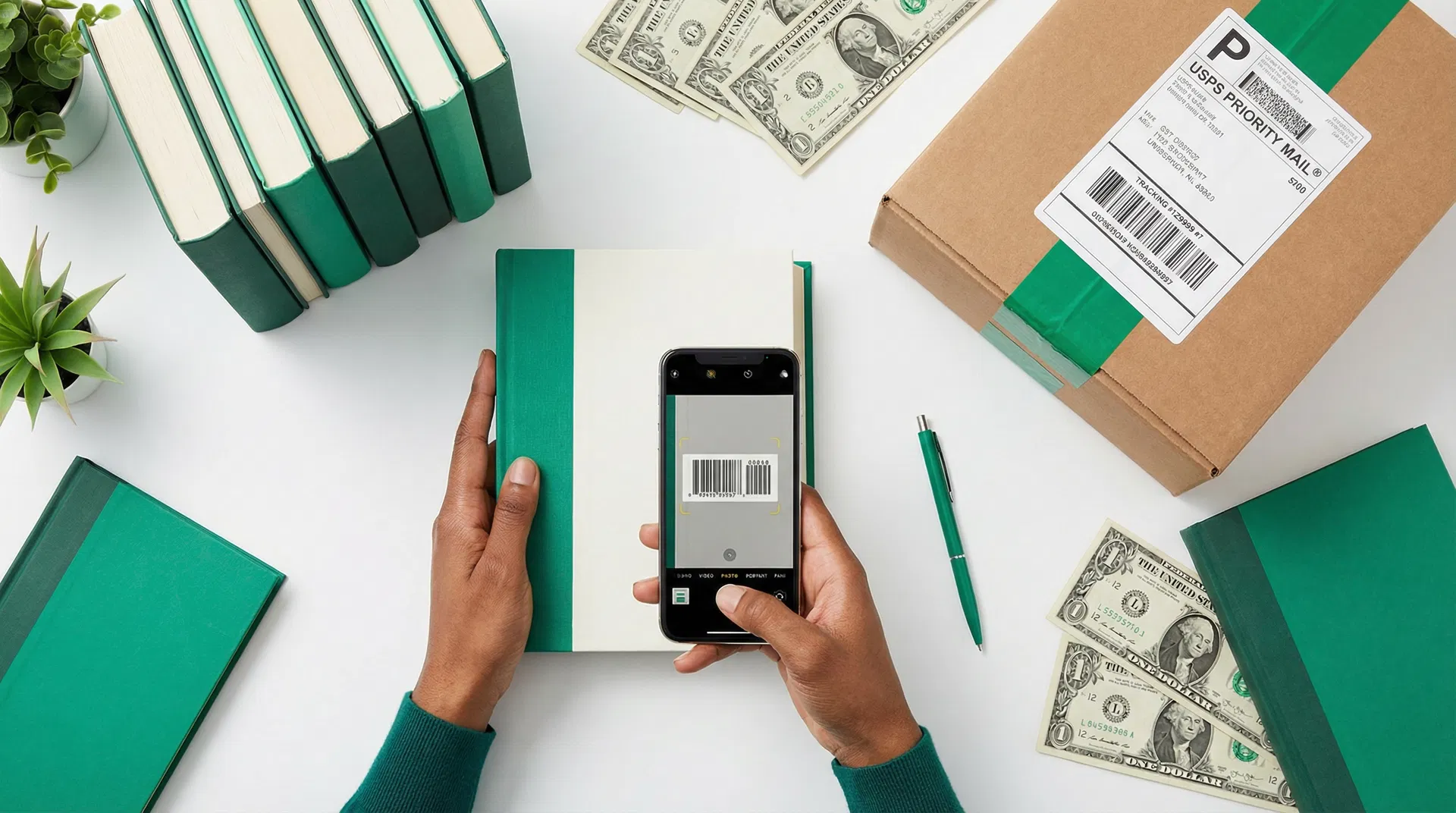
Online buyback services are the modern solution to selling books in bulk. They are designed for speed and convenience. You simply enter the ISBN of your book, get an instant price quote, and if you accept, you ship your books for free. Payment is sent via check or PayPal after the books are received and processed.
Pros: This is by far the most efficient way to sell a large number of books. There's no need to create individual listings, negotiate with buyers, or make multiple trips to the post office. The entire process is streamlined.
Cons: You won't always get the absolute highest price for every single book, as the prices are based on a company's current inventory and demand. They also have condition requirements, so books with heavy wear might be rejected.
Our Recommendation: For anyone with more than 10-15 books to sell, a site like BookToCash.com is the perfect starting point. It clears the bulk of your unwanted books quickly and easily, leaving you with only a few special editions to sell individually, if any.
2. Local Independent Bookstores
Supporting local businesses is always a great feeling. Many independent bookstores have a used book section and are happy to buy popular titles directly from customers. You can walk in with a box of books and walk out with cash or, more commonly, store credit.
Pros: The transaction is immediate, and you get the satisfaction of contributing to your local literary scene. Often, you'll get a higher value if you opt for store credit, which is perfect if you plan to buy more books.
Cons: Bookstores are very selective. They are primarily interested in titles that are currently in high demand and in near-perfect condition. Their payout is also typically lower than what you might get selling directly to another person, as they need to make a profit on the resale.
3. Peer-to-Peer Marketplaces (Facebook, eBay)
Platforms like Facebook Marketplace and eBay allow you to act as the bookseller, setting your own prices and connecting directly with buyers. This method gives you the most control over your sales.
Pros: You have the potential to earn the most money per book, especially for rare, signed, or out-of-print editions. You set the price, and for in-demand items, you might even start a bidding war on eBay.
Cons: This is the most time-consuming method. You have to photograph each book, write a detailed description, answer questions from potential buyers, and handle packing and shipping for each individual sale. For common paperbacks, the effort often isn't worth the small return.
4. Library Sales & Donations
Your local library can often be a great home for your gently used books. Many have "Friends of the Library" groups that accept donations for their annual or semi-annual book sales. The proceeds from these sales go directly to funding library programs and acquiring new materials.
Pros: It’s an easy way to clear shelf space while supporting a vital community institution. You can feel good knowing your books are helping to foster a love of reading in others.
Cons: You won't make any money directly. While you can sometimes get a receipt for a tax deduction, the primary reward is philanthropic.
5. Donation for Tax Deduction
Beyond the library, many charities like Goodwill, The Salvation Army, and local thrift stores accept book donations. If you itemize your deductions on your taxes, you can claim the fair market value of your donated books.
Pros: This is a simple way to get rid of a large volume of books at once and potentially lower your taxable income. It's a good option for books that may not have much resale value but are still in readable condition.
Cons: You only benefit financially if you itemize your deductions, which many taxpayers do not. You also need to accurately assess the fair market value of your books and get a receipt from the charity, which requires some record-keeping.
| Method | Payout Speed | Convenience | Payout Amount | Best For... |
|---|---|---|---|---|
| Buyback Sites (e.g., BookToCash) | Fast | Very High | Medium | Selling many books at once with minimal effort. |
| Local Bookstores | Immediate | High | Low to Medium | Popular, in-demand titles and getting quick cash or store credit. |
| Facebook Marketplace / eBay | Slow | Low | High | Rare, collectible, or high-value books where you can set the price. |
| Library Sales / Friends of the Library | N/A (Donation) | Medium | N/A | Books that may not have high resale value but can benefit the community. |
| Donation for Tax Deduction | N/A (Deduction) | Medium | N/A | Reducing your taxable income while supporting a charity. |
Ready to Sell Your Books?
Get an instant quote from BookToCash and see how much your stack of books is worth. It’s the easiest way to sell your books in bulk and get paid fast.
Get Your Quote →Your 7-Day Bookshelf Declutter Challenge
Ready to take action? Follow this simple, week-long plan to transform your bookshelf without feeling overwhelmed.
Day 1: Mentally Prepare & Set Goals
Define your vision. What do you want your bookshelf to look and feel like? A minimalist display? A cozy, curated collection? Write it down. This vision will be your motivation.
Day 2: The Great Book Pile-Up
As described in the KonMari method, gather every single book you own into one spot. Seeing the physical mountain of books is a crucial step to understanding the scope of your collection.
Day 3: The "Spark Joy" Sort
Tackle the pile. Handle each book and decide its fate: Keep, Sell, or Donate. Be honest with yourself. If a book doesn’t bring you joy, it’s time for it to bring joy to someone else.
Day 4: Condition Check & Prep for Sale
Inspect the books in your “Sell” pile. Wipe off any dust and check for damage. Books in better condition fetch a higher price. For buyback sites, you’ll need the ISBN, usually found on the back cover.
Day 5: Get Quotes from Buyback Sites
This is the fun part! Go to a site like BookToCash.com and enter the ISBNs of your books. You’ll get an instant quote for each one. It’s a fast and efficient way to sell dozens of books at once without leaving your home.
Day 6: List on Marketplaces / Visit Stores
For any valuable books that buyback sites didn’t accept or that you think can sell for more, list them on Facebook Marketplace or eBay. Alternatively, take a box to your local used bookstore and see what they offer.
Day 7: Organize the Keepers & Enjoy
Artfully arrange your “Keep” pile back on your newly spacious shelves. Step back and admire your work. Your bookshelf is now a beautiful, functional, and joyful part of your home.
Pro Tips for Maximizing Your Book’s Resale Value
A little extra care can make a big difference in how much money you make.
- Condition is King: A book with a pristine cover, no bent pages, and no highlighting or notes will always be worth more. Be honest about the condition when selling online to maintain a good seller reputation.
- Timing the Market: Textbooks are a great example. Their value skyrockets at the beginning of a college semester. Selling popular fiction right after it has left the bestseller list but is still in demand can also be a sweet spot.
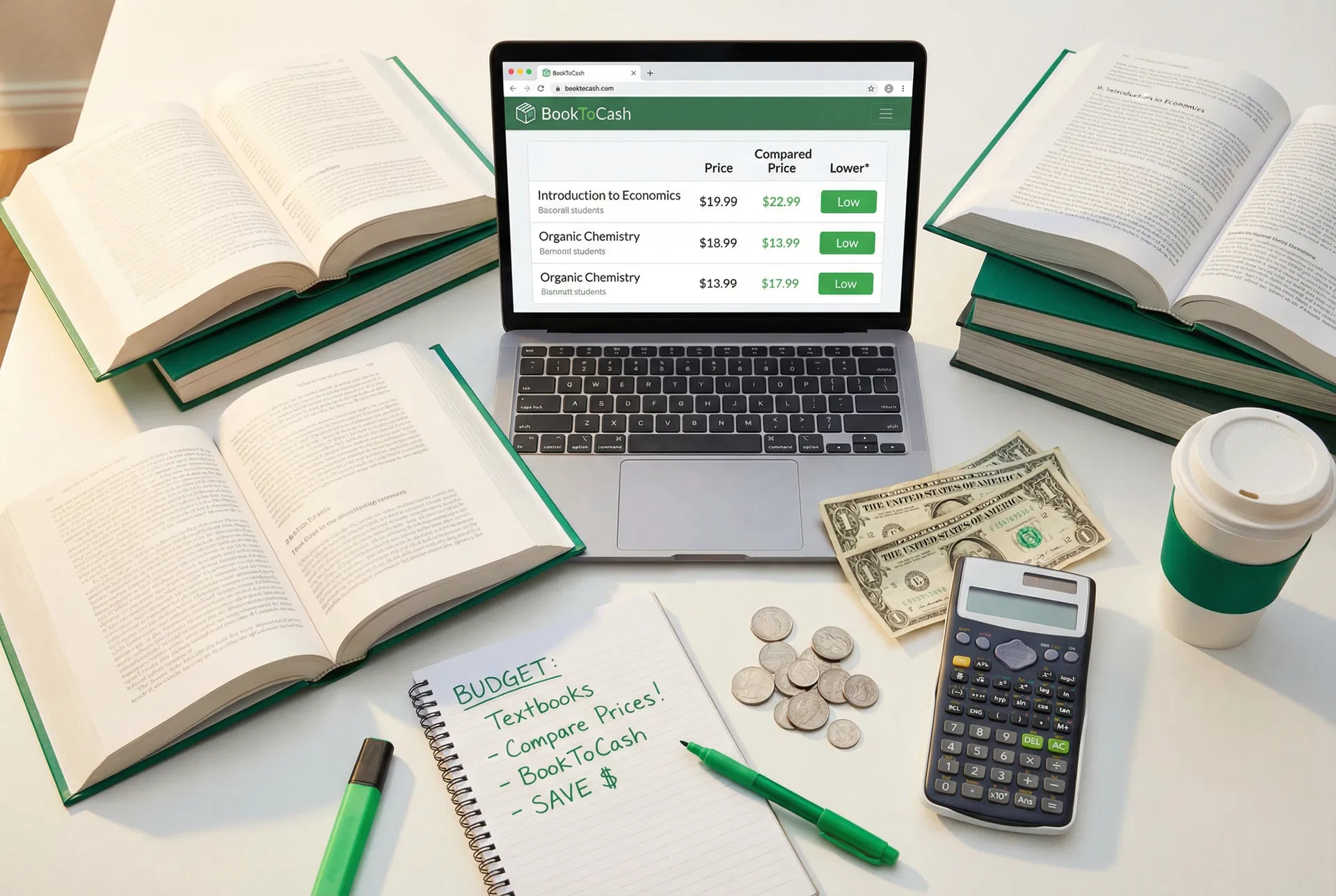
- Check the ISBN: The fastest way to know a book’s current market value is to check its ISBN on a buyback site. This will tell you if there’s high demand or if the market is flooded. BookToCash provides instant feedback on what they’re currently paying for a title.
From Clutter to Cash: Your New Beginning
Decluttering your bookshelf is more than just a cleaning project; it’s an act of self-care that creates mental and physical space. By thoughtfully curating your collection and choosing the right channels to sell your unwanted books, you can transform a source of stress into a source of income. Whether you’re looking for the ultimate convenience of a bulk buyback service or have the time to manage individual listings, the perfect solution is out there.
Ready to start your journey from a cluttered shelf to a clear mind and a fuller wallet? It’s time to turn those pages into profit.
Ready to Sell Your Books?
Get an instant quote from BookToCash and see how much your stack of books is worth. It’s the easiest way to sell your books in bulk and get paid fast.
Get Your Quote →