
Education & Teaching
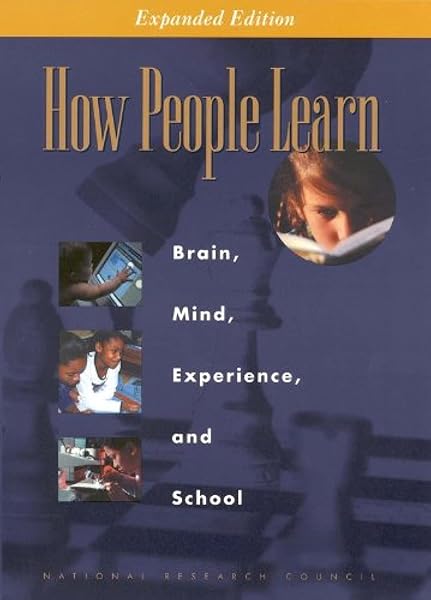
How People Learn: Brain, Mind, Experience, and School: Expanded Edition (Informal Learning)
National Research Council · Division of Behavioral and Social Sciences and Education · Cognitive Board on Behavioral and Sensory Sciences · Committee on Developments in the Science of Learning with additional material from the Committee on Learning Research and Educational Practice — National Academies Press, 2000
$9.17
NewBrand new — unread and unmarked. How we grade
Free shipping within the US — ships from Richardson, TX within one business day. A person checks every copy before it ships.
The only copy we have
About this book
First released in the Spring of 1999, How People Learn has been expanded to show how the theories and insights from the original book can translate into actions and practice, now making a real connection between classroom activities and learning behavior. This edition includes far-reaching suggestions for research that could increase the impact that classroom teaching has on actual learning. Like the original edition, this book offers exciting new research about the mind and the brain that provides answers to a number of compelling questions. When do infants begin to learn? How do experts learn and how is this different from non-experts? What can teachers and schools do-with curricula,… Read more
First released in the Spring of 1999, How People Learn has been expanded to show how the theories and insights from the original book can translate into actions and practice, now making a real connection between classroom activities and learning behavior. This edition includes far-reaching suggestions for research that could increase the impact that classroom teaching has on actual learning. Like the original edition, this book offers exciting new research about the mind and the brain that provides answers to a number of compelling questions. When do infants begin to learn? How do experts learn and how is this different from non-experts? What can teachers and schools do-with curricula, classroom settings, and teaching methods—to help children learn most effectively? New evidence from many branches of science has significantly added to our understanding of what it means to know, from the neural processes that occur during learning to the influence of culture on what people see and absorb. How People Learn examines these findings and their implications for what we teach, how we teach it, and how we assess what our children learn. The book uses exemplary teaching to illustrate how approaches based on what we now know result in in-depth learning. This new knowledge calls into question concepts and practices firmly entrenched in our current education system. Topics include: How learning actually changes the physical structure of the brain. How existing knowledge affects what people notice and how they learn. What the thought processes of experts tell us about how to teach. The amazing learning potential of infants. The relationship of classroom learning and everyday settings of community and workplace. Learning needs and opportunities for teachers. A realistic look at the role of technology in education.
Details
- FormatPaperback
- PublisherNational Academies Press
- Published2000
- SubjectEducation & Teaching › Schools & Teaching
- Pages386
- LanguageEnglish
- ISBN-139780309070362
- ISBN-100309070368
From the same shelf
 Developmentally Appropriate Practice in Early Childhood Programs Serving Children from Birth Through Age 8$6.07
 Classroom Discussions In Math: A Teacher's Guide for Using Talk Moves to Support the Common Core and More, Grades K-6: A Multimedia Professional Learning Resource$6.27
 Teacher's Guide to Success, The$8.99
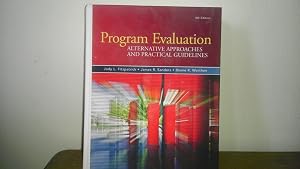 Program Evaluation: Alternative Approaches and Practical Guidelines Fitzpatrick, J; Sanders, James; Worthen, Blaine and Wingate, Lori$8.99
Browse the shelf
Selling instead of buying? We buy textbooks like this one. Get a quote